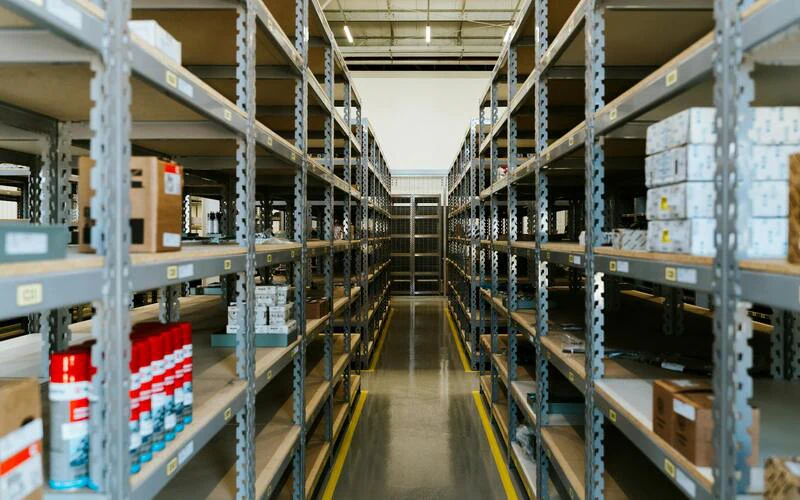

For logistics operators and supply chain providers, an ERP is a strategic tool for managing growing complexity. Visibility across stocks distributed in multiple warehouses, orders in transit, and delivery lead times requires complete data integration. An ERP synchronizes all levels of the supply chain, from supplier to end customer, offering transparency rarely achieved with fragmented systems.
Transportation and Route Optimization
Route optimization and fleet management improve with consolidated ERP data. Transportation costs, often the largest logistics expense, can be reduced through better route planning and maximum vehicle capacity utilization. Integration with geolocation systems and transportation management solutions (TMS) enables dynamic operations steering.
Warehouse Operations and Performance Analytics
Warehouse management becomes more efficient with ERP capabilities. Product placement, order picking, and shipments are orchestrated to minimize unnecessary movements. Barcodes and warehouse mobility are integrated into the management system, reducing errors and accelerating processes. Performance analytics enable identification of bottlenecks.
Integrated Technology Ecosystems
However, an ERP alone is insufficient for effective supply chain operations. It must be integrated with specialized tools like TMS, WMS, and demand planning systems. Collaboration with external partners, suppliers, and customers requires standardized interfaces and processes. The ERP is the system core, but it is the overall technology ecosystem that creates value.