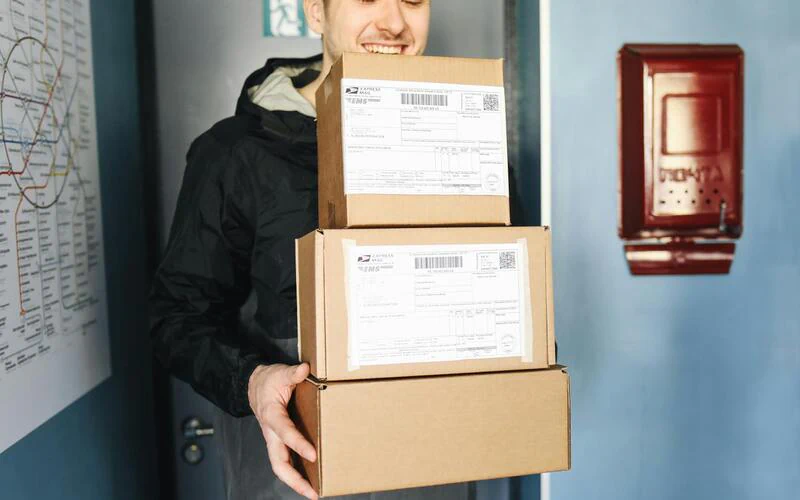

Last‑mile delivery remains a critical challenge for all e‑commerce operators. While long‑distance transport costs have stabilized, the final stage of delivery to the customer continues to weigh heavily on margins. The numbers tell the story: this phase accounts for up to 53% of total shipping costs, according to major European logistics operators.
Structural challenges of the last mile
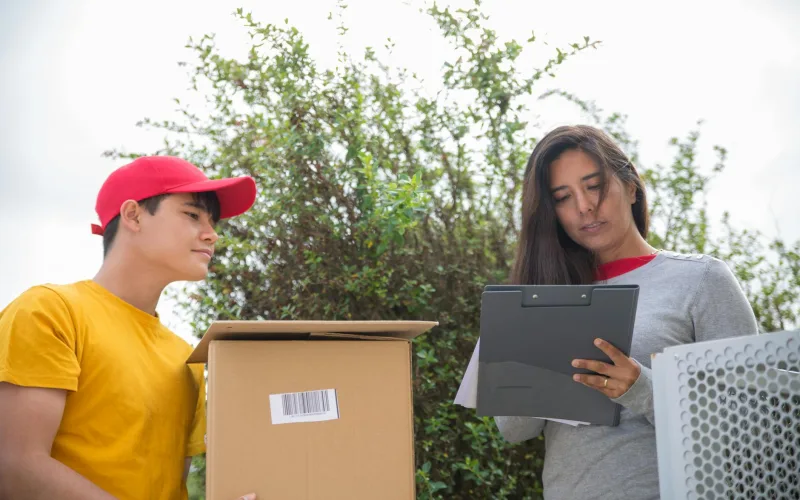
The complexity of last‑mile delivery stems from several factors. First, address density: a delivery driver must serve many destinations within a limited area, which severely constrains economies of scale. Second, customer absences when the driver calls create costly redelivery operations, often uncompensated by the e‑merchant. Third, customer expectations have grown tighter: short delivery windows, precise time slots, and real‑time package tracking.
Solutions being deployed
Operators are testing several approaches to reduce these costs. Pickup points and connected lockers allow customers to receive their packages according to their availability, eliminating missed delivery attempts. Some e‑merchants offer specific shipping fees to incentivize collection at pickup points rather than home delivery.
Delivery pooling is also advancing: multiple merchants share the same logistics circuit in the same geographic area, reducing the number of trips and optimizing routes. In parallel, the use of light or electric vehicles in urban areas is beginning to change the economic equation, particularly in major cities where environmental restrictions are tightening.
Balancing cost and customer experience
The real challenge is maintaining adequate customer experience while compressing costs. Offering free or nearly free delivery within 48 hours requires accepting very tight logistics margins, which works mainly for medium and high basket values. For low‑value items, this equation becomes impossible.
Some players are exploring fine segmentation: standard delivery for the general public, premium options for demanding customers. Others are betting on forecasting automation to anticipate absences and offer more appropriate time slots. The shared objective remains to streamline the experience without generalized additional costs.