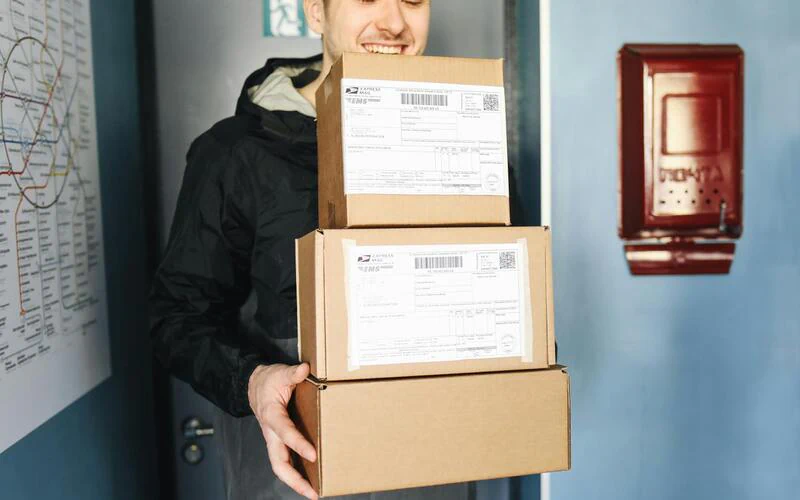

Real‑time visibility across logistics flows has shifted from luxury to operational necessity. Customers demand to know where their parcel is, when it arrives, and operators failing to provide this transparency lose appeal. Real‑time data is reshaping supply chain economics.
Integrated traceability
The traditional logistics chain operated in silos. A warehouse shipped a parcel; days passed; the customer received notification. Today, each step generates data: barcode scans, GPS positions, loading photos, temperature readings for temperature‑sensitive goods. This informational granularity changes everything.
Companies like DHL, UPS and Fedex invest heavily in fleet and parcel geolocation. A million vehicles equipped with GPS, millions of warehouse sensors. The data‑driven logistics market should reach 25 billion dollars in 2026, with annual growth of 18 percent. Regional operators too adopt these technologies via shared SaaS solutions.
Route optimisation
Knowing where cargo is located only has value if you use it to optimise. Real‑time routing algorithms adjust paths continuously. A road incident, sudden congestion, urgent customer request: the system recalculates instantly. Drivers receive updated instructions every minute.
This optimisation level reduces distances travelled by 12 to 18 percent. For a carrier managing a thousand vehicles, this means several hundred thousand euros saved annually on fuel and wear. Data also allows capacity adjustment: this route needs only a small truck; that one justifies a semi‑trailer. Matching actual capacity to demand becomes more precise.
Delay prediction
Logistics disruptions amplify. Weather conditions, staffing shortages, traffic accidents: variables abound. Operators capturing these signals continuously can predict delays with 85 to 92 percent accuracy according to studies. Rather than waiting for failure, they alert customers proactively.
A notification arriving three days before a delay allows the customer to reorganise their supply chain. Stock‑out incidents reduce. Product availability on shelves increases by 4 to 7 percent. For retail distribution, this is the difference between normal profits and exceptional performance.
Data and sustainability
Logistics data also reveals waste. How many journeys run half‑full? Which routes consume most fuel? Which packaging is oversized? Real‑time metrics allow adjustment of practices to reduce carbon footprint.
Operators like Geodis structured their emissions around data, identifying that 15 percent of their journeys account for 40 percent of their emissions. By reorganising these routes, they reduced their footprint by 22 percent in two years. Data serves both profitability and sustainability.
Integration challenges
Despite advantages, logistics data integrity remains fragile. Sensors desynchronise. Barcodes tear. Formats vary between partners. Companies therefore invest in redundancy: multiple sensors, periodic manual confirmation, anomaly audit. Reliability above 95 percent demands a thoughtfully designed and maintained architecture.