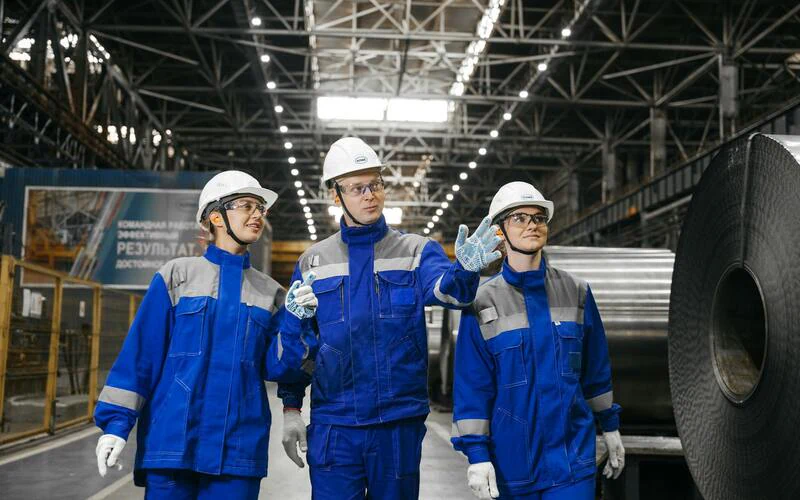

The Direct‑to‑Consumer (DTC) model is revolutionizing the relationship between manufacturers and their customers. By eliminating intermediaries, manufacturers gain flexibility, increase margins, and access direct customer data. This strategy transforms traditional industrial companies into powerful e‑commerce players.
Logistics and Operational Excellence
For manufacturers, transitioning to DTC presents significant logistical and operational challenges. Inventory management, packaging adapted to individual shipments, and customer service quality become key success factors. Investing in robust logistics infrastructure and a dedicated customer team is essential to avoid situations where manufacturing excels but distribution falls short.
Data‑Driven Product Development and Customer Insights
DTC offers valuable insights into customer preferences that are never accessible to manufacturers working through distributors. This data allows for product refinement, identification of real market trends, and development of personalized offers. Customer proximity also creates opportunities for loyalty and community building.
Digital Marketing and Competitive Positioning
However, building a credible online sales presence requires more than just an e‑commerce platform. Digital marketing, educational product content, and competitive pricing strategy are essential. Industrial companies must train their teams or recruit talent with an understanding of digital dynamics and customer experience best practices.